Disability Insurance Eligibility Requirements in the United States: Who Qualifies and Why
Introduction: Why Eligibility Rules Matter in Disability Insurance
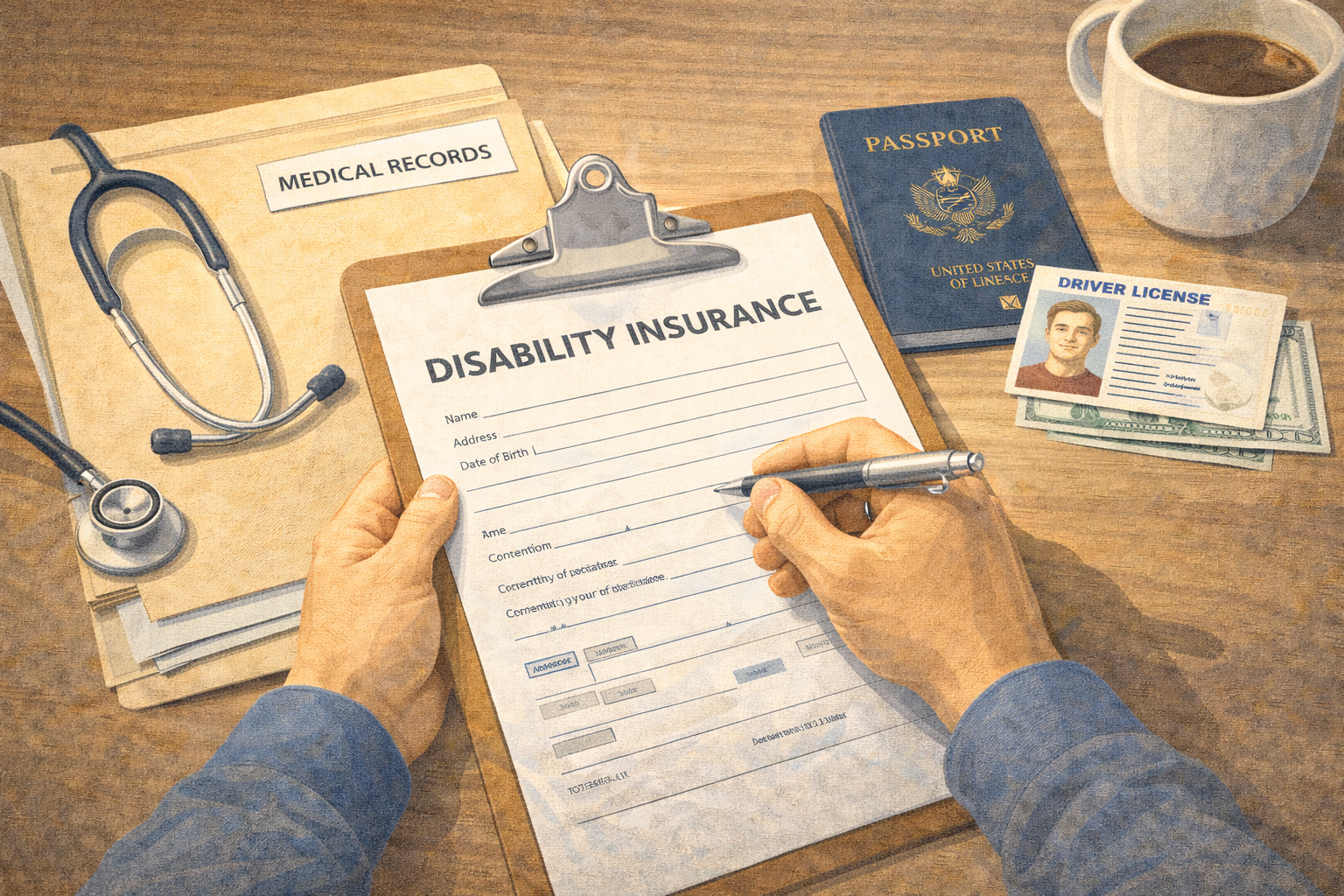
Disability Insurance is often perceived as a guaranteed safety net—something that automatically pays benefits when illness or injury prevents work. In reality, eligibility for disability insurance benefits in the United States depends on a complex set of criteria that vary by policy type, insurer, and employment status.
Many coverage gaps and denied claims stem not from the absence of disability insurance, but from misunderstandings about eligibility requirements. Knowing disability insurance eligibility requirements in the United States is essential for choosing the right policy, avoiding application pitfalls, and ensuring benefits are available when needed.
This article explains how eligibility is determined, what insurers evaluate, and how individuals can improve their chances of qualifying for disability insurance coverage.
What Does “Eligibility” Mean in Disability Insurance?
In disability insurance, eligibility refers to two distinct but related stages:
-
Eligibility to purchase a policy
-
Eligibility to receive benefits after a disability occurs
Each stage has its own requirements, and meeting one does not automatically guarantee the other.
Eligibility to Purchase Disability Insurance
Before an individual can obtain disability insurance, insurers assess several baseline eligibility factors.
Employment and Income Requirements
Most disability insurance policies require the applicant to have verifiable earned income. Eligible income typically includes:
-
Salaries and wages
-
Self-employment income
-
Professional or business earnings
Passive income, such as investment returns or rental income, is generally not eligible for coverage.
In the United States, applicants must usually demonstrate consistent income over a defined period, often one to two years for self-employed individuals.
Age Requirements
Disability insurance is typically available to individuals within certain age ranges, often:
-
Minimum age: 18
-
Maximum issue age: 60–64
As age increases, premiums rise and available benefit periods may shorten, reflecting higher claim risk.
Residency and Citizenship Considerations
Most U.S. disability insurance policies require applicants to:
-
Reside in the United States
-
Work for a U.S.-based employer or business
Citizenship is not always required, but lawful residency and work authorization are generally necessary.
Health and Medical Underwriting Requirements
Health underwriting is a core component of disability insurance eligibility.
Medical History Review
Insurers review an applicant’s medical history, including:
-
Chronic conditions
-
Past surgeries or hospitalizations
-
Mental health history
-
Ongoing treatments or medications
Applicants may be required to provide medical records or attend medical examinations.
Pre-Existing Conditions
Pre-existing conditions play a major role in disability insurance eligibility. Depending on severity, insurers may:
-
Exclude specific conditions from coverage
-
Offer coverage with higher premiums
-
Decline coverage entirely
Pre-existing condition definitions vary but typically include conditions treated or diagnosed before policy issuance.
Occupational Eligibility and Risk Classification
Disability insurance eligibility in the United States is heavily influenced by occupation.
Occupational Risk Classes
Insurers categorize occupations based on risk, such as:
-
Low-risk professional occupations
-
Moderate-risk technical roles
-
High-risk manual or hazardous jobs
Higher-risk occupations may face:
-
Higher premiums
-
Reduced benefit options
-
Limited policy availability
Self-Employed vs Employed Applicants
Self-employed individuals are eligible for disability insurance but often face additional scrutiny, including:
-
Income documentation requirements
-
Business stability assessments
-
Variable income evaluations
Despite these challenges, many insurers offer specialized policies for self-employed professionals.
Eligibility to Receive Disability Insurance Benefits
Purchasing a policy does not guarantee benefit eligibility. To receive benefits, the insured must meet policy-defined disability criteria.
Definition of Disability
Eligibility for benefits depends on how disability is defined in the policy:
-
Own-occupation: inability to perform duties of the insured’s specific occupation
-
Any-occupation: inability to perform any occupation suited by education or experience
Own-occupation definitions offer broader eligibility but cost more.
Elimination Period Requirements
Before benefits begin, the insured must satisfy the elimination (waiting) period, typically ranging from 30 to 180 days. The disability must continuously prevent work throughout this period.
Ongoing Proof of Disability
Benefit eligibility often requires ongoing medical documentation demonstrating continued disability. Insurers may periodically review claims to confirm eligibility.
Mental Health and Subjective Conditions Eligibility
Mental health conditions are increasingly recognized in disability insurance, but eligibility may be restricted.
Common limitations include:
-
Shortened benefit periods
-
Stricter documentation requirements
-
Specific policy exclusions
Understanding these limitations is essential for applicants with mental health histories.
Employer-Sponsored Disability Insurance Eligibility
Employer-provided disability insurance often has simplified eligibility requirements:
-
No medical underwriting
-
Automatic enrollment or opt-in periods
-
Coverage limited to active employees
However, these plans may have stricter definitions of disability and lower benefit amounts.
Social Security Disability Insurance (SSDI) Eligibility Comparison
SSDI eligibility differs significantly from private disability insurance:
-
Requires total disability
-
Long approval timelines
-
Strict income and work credit requirements
Private disability insurance provides more flexible eligibility standards and faster benefit access.
Common Reasons for Disability Insurance Denial
Disability insurance applications or claims may be denied due to:
-
Incomplete medical documentation
-
Pre-existing condition exclusions
-
Failure to meet elimination periods
-
Inconsistent income verification
Understanding these risks helps applicants prepare more effectively.
How to Improve Eligibility for Disability Insurance
Applicants can improve eligibility by:
-
Applying while healthy and younger
-
Maintaining consistent income documentation
-
Choosing appropriate occupational definitions
-
Working with experienced insurance professionals
Early planning significantly improves coverage quality and approval likelihood.
Why Eligibility Requirements Protect Policyholders
While eligibility rules may seem restrictive, they serve an important purpose. Clear disability insurance eligibility requirements in the United States help:
-
Maintain premium affordability
-
Ensure policy sustainability
-
Prevent misuse of benefits
Understanding these rules empowers consumers to choose coverage that aligns with real-world needs.
Key Takeaways for U.S. Consumers
Disability Insurance eligibility in the United States depends on income, occupation, health history, and policy definitions. Both purchasing coverage and qualifying for benefits require careful attention to eligibility criteria.
By understanding disability insurance eligibility requirements in the United States, individuals can avoid common pitfalls, secure appropriate coverage, and ensure income protection when it matters most.
In a system where earned income underpins financial security, disability insurance eligibility is not a technical detail—it is a foundational consideration.

What is Disability Insurance?
Disability insurance is a vital policy designed to protect your income if you’re unable to work due to an illness or injury. It’s crucial for ensuring that you can continue to meet your financial obligations while focusing on your recovery. Without this income protection, unexpected health issues could lead to significant financial stress.
Types of Coverage Available
There are two primary types of disability insurance: short-term and long-term coverage. Short-term disability insurance typically provides benefits for a limited period, usually up to six months. In contrast, long-term disability insurance can extend for several years or even until retirement age. Understanding the differences in coverage can help you choose the best option for your situation.
Why You Need Disability Insurance
Many people underestimate the importance of disability insurance. Statistically, there’s a significant chance that an individual may become disabled at some point during their working life. With proper income protection, you won’t have to worry about losing your lifestyle or falling behind on bills. Investing in a comprehensive disability insurance policy today can provide you and your loved ones peace of mind for the future.
Latest Posts
- Is Disability Insurance Worth It in the United States? A Cost vs Risk Analysis

- Employer-Provided vs Individual Disability Insurance Coverage: What Works Best in the United States?
- Disability Insurance Eligibility Requirements in the United States: Who Qualifies and Why
- How Much Disability Insurance Coverage Do You Need in the U.S.? A Practical DFrameworkecision

- Disability Insurance Benefit Periods and Coverage Limits: How Long and How Much You’re Protected

Leave a Reply