Top Disability Insurance Companies 2026 | The Realistic Guide for High Earners
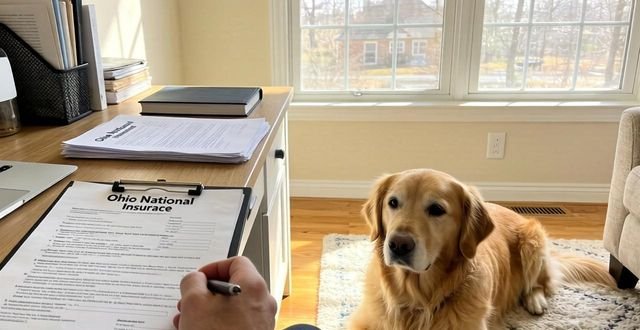
I get it. The AI-generated listicles are everywhere. “Top 10 Disability Insurance Companies 2026!” they scream, filled with generic rankings and vague praise. But you’re not here for fluff. You’re here because you’ve built something—a career, a practice, a business. You see the mortgage, the private school tuition, the inflation numbers. The thought of an injury or illness stopping your income? It’s not just anxiety; it’s a cold, hard calculation. Your ability to earn is your most valuable asset. Protecting it isn’t a checkbox; it’s a strategic decision. Let’s cut through the noise.
The Core Question Isn’t “Who’s Best?” It’s “Best for Whom?”
The “best” company for a 25-year-old software engineer is wildly different from the “best” for a 45-year-old neurosurgeon. The carrier landscape is specialized. We’re not comparing apples to apples; we’re comparing precision tools. Forget the monolithic lists. Your search needs to start with your profile.
The Elite Tier: For Physicians, Dentists, High-Earning Professionals
This is where the true “own-occupation” definition reigns supreme. These policies are built for specialized, high-income careers.
Guardian / Berkshire Hathaway GUARD: The gold standard for “true own-occ.” Their definition is famously robust. If you can’t perform the specific duties of your medical specialty, you’re on claim. But there is a catch… Their underwriting is notoriously meticulous. A complex health history can be a non-starter.
MassMutual / The Standard: A powerhouse duo, especially strong for surgeons and proceduralists. They offer fantastic residual disability benefits, which pay a partial benefit if you’re back to work but earning less due to your disability. Here is where things get tricky… Their premium structure can be less competitive for younger, healthy applicants just starting out.
Principal Financial: A strong, consistent player. They shine with their future purchase options and benefit update riders, allowing your coverage to grow with your income without new medical underwriting. The critical detail? Their “regular occupation” definition has specific nuances in the first two years of a claim that you must understand.
The Strong Contenders: For Business Owners, Executives, Tech Professionals
These carriers offer excellent coverage, often with more flexibility and competitive pricing for a broader professional audience.
Ameritas / Ameritas Pro: A leader in the “individual non-cancelable” market. Once your policy is issued, your premium and benefits are locked in. They are exceptionally strong for business owners needing “overhead expense” coverage.

Ohio National: Known for competitive pricing and solid contract language. They are a fantastic option for cost-conscious high earners who still demand quality “own-occ” protection. The tax implication you must know: For business owners, premiums paid personally are with after-tax dollars, leading to tax-free benefits. Premiums paid by your business? It’s a different, often less favorable, tax story.
The Common Trap: “My Employer’s Plan is Enough.”
This is mistake number one. Group Long-Term Disability (LTD) through your job has two fatal flaws.
1. The Benefit is Taxable. If your employer pays the premium, any benefit you receive is considered taxable income. That “60% of salary” promise can shrink to 40% or less after taxes. An individual policy you pay for? The benefits are tax-free.
2. The Definition is Weak. Most group plans use an “any occupation” definition after 24 months. Can you work as a greeter? Then you’re not disabled. Your individual “own-occ” policy protects your specific career.
The Action Plan: How to Actually Choose.
Stop looking for a ranking. Start this process instead.
1. Get Quotes from Multiple Carriers. Not just one. Your independent agent should shop the market for you. Premiums for identical coverage can vary by 20-30%.
2. Compare the Riders, Not Just the Price. The “Future Increase Option,” “Residual Disability,” and “Cost of Living Adjustment” riders are where the real value is built. Which carrier offers the most favorable terms for these?
3. Underwrite Yourself First. Be brutally honest about your health history. A minor back issue or a mental health prescription can shift the “best” carrier for you. The one with the lowest quote for a perfect applicant might decline you.
The search for the “best” ends when you find the carrier whose contract aligns perfectly with your career risks and financial blueprint. It’s not about a trophy name; it’s about a strategic fit. Your next step isn’t to click another listicle. It’s to have a real conversation with an independent agent who can put these pieces together for your picture. The security you’re building deserves that level of detail.

What is Disability Insurance?
Disability insurance is a vital policy designed to protect your income if you’re unable to work due to an illness or injury. It’s crucial for ensuring that you can continue to meet your financial obligations while focusing on your recovery. Without this income protection, unexpected health issues could lead to significant financial stress.
Types of Coverage Available
There are two primary types of disability insurance: short-term and long-term coverage. Short-term disability insurance typically provides benefits for a limited period, usually up to six months. In contrast, long-term disability insurance can extend for several years or even until retirement age. Understanding the differences in coverage can help you choose the best option for your situation.
Why You Need Disability Insurance
Many people underestimate the importance of disability insurance. Statistically, there’s a significant chance that an individual may become disabled at some point during their working life. With proper income protection, you won’t have to worry about losing your lifestyle or falling behind on bills. Investing in a comprehensive disability insurance policy today can provide you and your loved ones peace of mind for the future.
Latest Posts
- Top Disability Insurance Companies 2026 | The Realistic Guide for High Earners
- Title: Why Your Disability Claim Got Denied & How to Fix It

- Are You One Accident Away From a Student Loan Nightmare?

- Disability Insurance for Global Citizens: Your Income Follows You Everywhere

- Disability Insurance Claims: 5 Insider Tips to Get Your Benefits Approved
Leave a Reply